Category Archives: Uncategorized

Zika Infection Spread By Sex In Dallas – Earlier Sexual Transmission In Colorado – Detailed Symptoms

Zika Infection Spread By Sex In Dallas – Earlier Sexual Transmission In Colorado – Detailed Symptoms News came out of Dallas yesterday of a case of the Zika virus being spread by sexual intercourse. This is however not the first US example of this virus, linked to brain deformities in children, being passed on to a partner through sex. An earlier case in Colorado made history as the first example of sexual transmission of an insect borne virus (arbovirus).

Kobylinski, Foy, collecting mosquitoes in Senegal with Massamba Sylla (courtesy of Brian Foy)
Kobylinski (left) and Foy (right) prior to showing symptoms of Zika, collecting mosquitoes in Senegal with Massamba Sylla (courtesy of Brian Foy)

Yesterday the US CDC (Centres For Disease Control and Prevention) rapidly issued recommendations urging the use of condoms to prevent the spread of the Zika virus through sexual intercourse. This followed a report from the Dallas Health Authorities who had been tracking the case of a person having returned from Venezuela a couple of weeks ago. They believe the person was infected with Zika by a mosquito while staying in Venezuela. Following their return to Dallas the person had sex with a second person who soon started to show ‘flu like’ symptoms.

This second person, who had not been outside of the Dallas area, went to their doctor who decided to have blood samples checked for possible causes. After two weeks of testing the CDC were able to rule out other possible viruses, including dengue and chikungunya. They confirmed however that Zika was present in samples from both individuals. Mosquito testing around the couple’s home confirmed that there were no mosquitoes of the type that transmits Zika (Aedes). In addition there are very few mosquitos at this time of year in the vicinity of the residence.
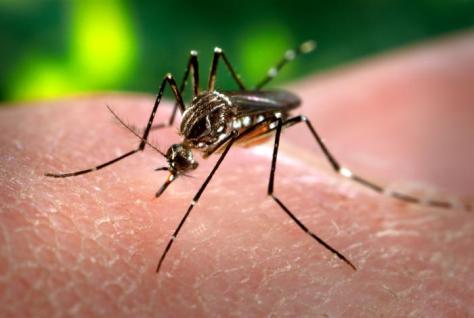
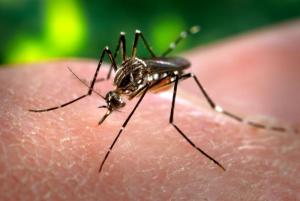
Zika Transmitting Mosquito Aedes aegypti

As I reported in my article about Zika on January 19th 2016 (link below)….

19th Jan 2016 ZIKA – Which Countries to Avoid? – Where is Risk highest in USA? – Microcephaly link

….there have been earlier reports of sexual transmission of the Zika virus in the USA.

In this earlier case the victims were a professional biologist and his wife who wrote up their experiences in a scientific paper in May 2011. The biologist, Brian Foy of Colorado State University in Fort Collins, had been working in Senegal in 2008 at the same time that the (then) rather obscure Zika pathogen was also present. Upon his return home to Dallas he engaged in sexual intercourse with his wife Joy Chilson Foy. Joy Chilson Foy a local nurse, was also a co-author in the scientific paper published 3 years later, and had not left the USA since 2007 (and had never been to Africa or Asia where Zika was then known to be present).
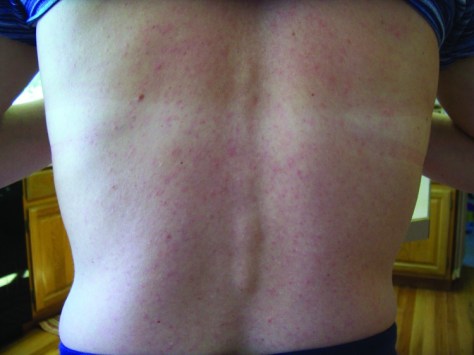
Rash on Back of Joy Chilson Foy After Sex With Zika Infected Husband in 2008

Brian Foy was involved in a mosquito gathering project in Senegal and was bitten several times in his short stay by the Aedes mosquito which is the main vector of the Zika virus. He returned home to Northern Colorado on August 24th 2008. Within 5 days of his return he and a colleague developed symptoms typical of a Zika infection but not until after he had engaged in sex with his wife. The report describes that the ‘vaginal sexual intercourse’ took place before he had symptoms of the disease.

The symptoms Brian Foy exhibited from August 30th were a rash on his torso, extreme fatigue, headaches, and swollen and painful wrists, knees, and ankles. He did not have fever. He also had symptoms of prostatitis: painful urination and blood in his semen (called hematospermia – a red–brown fluid in the ejaculate that came out of his penis). His wife developed symptoms from September 3rd including malaise, chills, extreme headache, photophobia, and muscle pain that continued until September 6. She also did not have fever but developed a rash on her back from September 7th (see picture above).

Aphthous lip ulcer
Typical Aphthous lip ulcer on the inside of the mouth

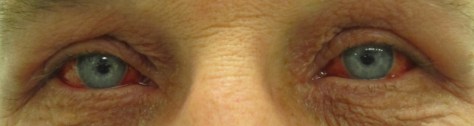
In addition Brian Foy developed two aphthous ulcers on his lips on September 2nd and his wife developed a similar ulcer on the inside of her lip on September 7th. Both patients also exhibited joint pains and Joy Chilson Foy had conjunctivitis (see picture below) from September 8th. None of their four children exhibited any of the syptoms typical of a Zika infection during this period.
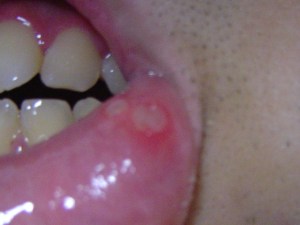
Aphthous ulcer 2 on lip
Typical Aphthous ulcer on the lip

One of the reasons it took until 2011 to publish the results of this sexual activity in 2008 was the uncertainty about the cause of the symptoms. It was a chance meeting of Foy’s PhD student Kevin Kobylinski (on the left in the picture above) with entomologist Andrew Haddow on another trip to Senegal that set the scientists on the scent of Zika. Haddow’s grandfather was one of the scientists that isolated the virus in the Zika forest of Uganda in 1947 and he pointed out that the symptoms described above were typical of this disease.

Kobylinski who had had similar symptoms to Foy when they both returned from Senegal explained Haddow’s suggestion to him and they sent the samples they had kept since September 2008 (in the freezer) to Haddow for testing. He was able to confirm the presence of Zika.
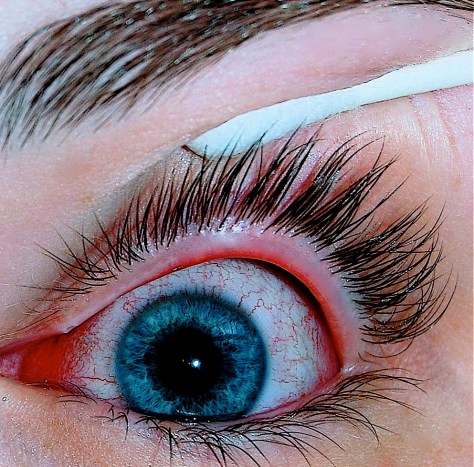
Eye with viral conjunctivitis

Although the evidence that Foy transmitted the virus to his wife through sex was not direct the circumstantial evidence was very strong. She was unlikely to have been infected by an aedes mosquito because they were not present on Northern Colorado. In addition it takes the virus two weeks to complete its life cycle in a mosquito before it can reinfect another human being. However Foy’s wife showed symptoms just 9 days after those of her husband..The fact ttat they had sex together is clearly documented in the 2011 research paper (the link to the original paper by is here – Foy BD, Kobylinski KC, Foy JLC, Blitvich BJ, Travassos da Rosa A, Haddow AD, et al. Probable non–vector-borne transmission of Zika virus, Colorado, USA. Emerg Infect Dis 2011 May; 17(5): 880–882).

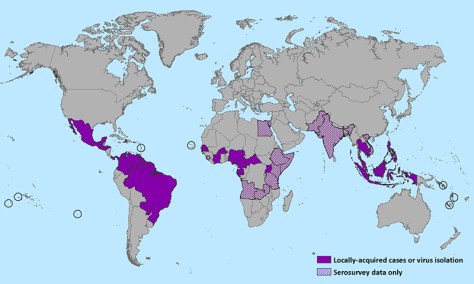
Together with its growing link to microcephaly (reduced skull and brain size in newborns) I think we will be hearing a lot more about the risks of sex with people from Zika areas in the near future. Here is a current map of those area were Zika is present:

CDC's Zika World Map 15 Jan 2016
CDC’s Zika World Map 15 Jan 2016

This development shows how important it is to think outside of the box when trying to combat dangerous infectious disease epidemics. The story above details the first published example of an insect born arbovirus being transmitted between humans by sex. With this in mind you might also be interested in my article about the importance of identifying whether bed bugs could also have a role in the transmission of arboviruses like Zika. Here‘s the link:

 Bed Bugs – Insecticide Resistance – Arbovirus Transmission – Zika and Microcephaly

One final comment – Yesterday the American Red Cross appealed to prospective donors who have visited Zika outbreak zones to wait at least 28 days before giving blood. It said risks of transmitting the virus through blood donations remained “extremely” low in the continental United States (info from Reuters).

Chris Duggleby

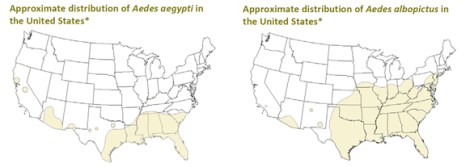
Caution Advised before having Sex With People From High Risk Zika Areas - Aedes mosquito distribution maps US
Caution Advised before having Sex With People From High Risk Zika Areas – Aedes mosquito distribution maps US

If you are interested in reading my other health focused articles try the following

Torture In The Shower – Face and Body Soap Allergies – Main Suspect: Pears Transparent Soap

Poison in your Washing Machine: Allergic Contact Dermatitis from Laundry Detergents, Softeners, Conditioners and Whiteners

Is Alzheimer’s caused by the Gum Disease Bacterium P. Gingivalis – A Dementia Prevention/Treatment Breakthrough?

Toxic Chemicals in Sex Toys – 18 Vibrators, Cock Rings, Love Balls Tested – Only 3 Get All Clear

My T-shirt Made Me Sick – Textile Allergies – Sinusitis From Your Underwear
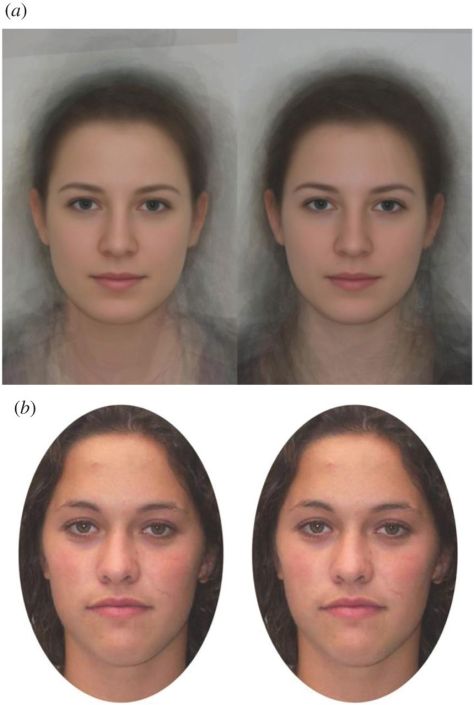
Women Detect Ovulation In The Faces Of Other Women – Competitors for Sex

Women Detect Ovulation In The Faces Of Other Women – Competitors for Sex: A study published on 26th Jan 2016 looked into how women respond to seeing the faces of other women at different phases in their ovulation cycle. Even though the women did not find the faces of their sexual ‘competitors’ attractive they were able to distinguish those at the peak of their monthly fertility.

Facial Cues to Ovulation in Women (Photo: Lobmaier, Bobst and Probst)

The ovulation period in a woman’s monthly cycle is a very important time for sexual competition. This is when a mature egg is released from the woman’s ovary and travels down her fallopian tube to be in place to receive the sperm delivered during sex and thus become fertilized.

In the past research has indicated that men find the faces of ovulatory women more attractive than women in the non-ovulatory phases of their monthly cycle. From an evolutionary perspective this is important for men because this is the time when a woman is most likely to conceive. By becoming pregnant she will help her mate ensure his genes are passed onto the next generation.

Facial ovulation clues are key to male female sexual attraction

Clues to ovulation in a woman can be very subtle. Scientific articles have reported that women dance, walk, sound, smell and look more attractive during this highly fertile part of their monthly cycle. Most of these studies have focused on how ovulating women are perceived by men. Clearly there has been a direct biological advantage for men who preferentially have sex with women when they are fertile.

In the past few days research has been published which examines how women respond to the facial cues of other women during ovulation. This research was published on  26th January 2016 in the Royal Society’s Biology Letters (the link is here). The authors (Janek S. Lobmaier, Cora Bobst and Fabian Probst) were interested to understand how these cues might influence the women’s awareness of potential sexual competition for their partners from other women. When these ‘other women’ are highly fertile (ovulating) this could be seen biologically as a dangerous time – with a high risk of partner loss.

External clues of internal sexual processes are key to evolutionary success

The researchers presented women with pictures of other women who were either in the ovulation period (and therefore highly fertile) or where in the ‘in-between’ non-fertile period. They asked the women to rate the pictures, first in terms of their attractiveness, and secondly in terms of  the potential risk that the woman in the picture would steal their partner (the sexual ‘competitor’ risk).

Generally the women did not identify a difference in the attractiveness of the faces of ovulating or non-ovulating women (unlike the views of men involved in earlier studies). However they did find that women could identify from the facial cues which women in the pictures posed a threat of stealing their partners. These were the pictures of women who were ovulating and therefore more likely to become pregnant if engaged in intercourse in the very near future. Specifically the women who were most sensitive to these cues where those who themselves were not currently in their ‘fertile’ period but likely to enter it soon (as measured by their sexual hormone levels).

Simply attractive or perhaps ovulating ? - Ask your wife
Simply attractive or perhaps ovulating ? – Ask your wife

Chris Duggleby

Woman Walk, Dance, Sound, Smell and Look Differently When They Are Ovulating

If you are interested in reading my other health focused articles try the following

Torture In The Shower – Face and Body Soap Allergies – Main Suspect: Pears Transparent Soap

Poison in your Washing Machine: Allergic Contact Dermatitis from Laundry Detergents, Softeners, Conditioners and Whiteners

Is Alzheimer’s caused by the Gum Disease Bacterium P. Gingivalis – A Dementia Prevention/Treatment Breakthrough?

Toxic Chemicals in Sex Toys – 18 Vibrators, Cock Rings, Love Balls Tested – Only 3 Get All Clear

My T-shirt Made Me Sick – Textile Allergies – Sinusitis From Your Underwear

Bed Bugs – Insecticide Resistance – Arbovirus Transmission – Zika and Microcephaly

A report published on 28th January 2016 is a major setback to those trying to control the explosive spread of bed bugsNeonicotinoids, the latest group of insecticides used by eradication professionals are proving ineffective due to a dramatic surge in resistance. Other reports imply that bed bugs may transmit Arboviruses. The Zika virus epidemic, recently linked to microcephaly, is an arbovirus.

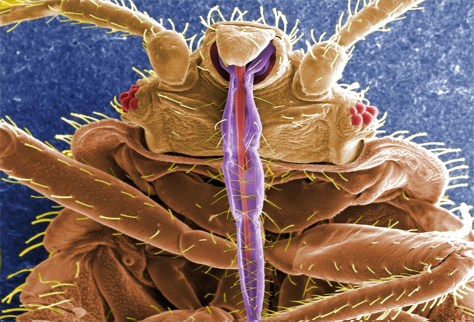
Cimex lectularius - The Bed Bug As seen Using A Scanning Electron Microscope
Cimex lectularius – The Bed Bug As seen Using A Scanning Electron Microscope

Bed bugs (Cimex lectularius) have accompanied humans probably since we lived in caves. In fact they have several close relatives that are parasites of bats but will feed off humans who disturb the bat habitats. When humans left their cave environment and started sleeping in bedrooms the bed bugs moved in with them and have been a common inhabitant of most homes until the 1940s.

In the 1940s broad spectrum pesticides like DDT started to be used which together with a greater awareness of public hygiene effectively eradicated bed bugs from the developed world. This separation lasted until 1995 when increasing pesticide resistance and governmental bans of the most effective pesticides led to a resurgence in the spread of these blood sucking animals throughout society.

Persons back after bed bug feeding sessions
Person’s back after bed bug feeding sessions

Although the after-effects of the feeding sessions, as shown in the photo above, can be rather unpleasant – a hundred years of research into bed bugs has not found them to transmit any particularly dangerous human diseases. They feed, usually when a person is sleeping, about once every 5-10 days and then retire to digest the blood and have sex (which sadly can be rather traumatic because their exoskeletons are not really designed for sensuous passion).

An adult can survive many months without a feed (even up-to a year if it is cool)

Male and Female Bed Bugs traumatic insemination
Male and Female Bed Bugs enduring traumatic insemination during sex

Until a few years ago most professional bed bug eradicators used pyrethroid insecticides to try and control the new epidemic.  Then in 2013 a report was published in the journal Nature‘s ‘Scientific Reports’ (link here) which described that the bugs had evolved multiple ways of resisting these insecticides. This, together with increased travel, and population mobility, went a long way to explaining why the expansion in bed bug infestations was booming again. Their resistance was based on a variety of mechanisms like ‘strengthening’ the bug’s exoskeletons, neutralising the chemical effects of the insecticides or making the bugs metabolism less susceptible to these effects.

A new family of insecticides, the neonicotinoids, was introduced to try and combat this rapidly growing bed bug resistance. On January 28th 2016 a report was published in the Journal of Medical Entomology (link here) demonstrating that resistance to these newer insecticides was already so widespread that their application was becoming useless. In fact they may be harmful to nature due to their linkage to the drastic reduction in the bee population. As a result the currently available insecticides will be of little use as the bed bug epidemic spreads.

Bed bug Sniffing Dog
New York Bed Bug Sniffing Dog – Infestations Smell Of Rotting Raspberries

Although life with bed bugs is far from comfortable – years of research has failed to associate them with any nasty pathogens. However much of this research was during the period in which the bed bugs had been effectively eradicated in the developed world. The development of pesticide resistance has demonstrated how quickly they can mutate and evolve. What’s more – the scientific studies focused on diseases like HIV, MRSA and Hepatitus but little serious research had been done in relation to Arboviruses.

Arboviruses are viruses that are transmitted between humans via insect vectors (carriers) like mosquitos. A 2013 report in the scientific journal Plos (‘Bed Bugs and Infectious Disease: A Case for the Arboviruses‘ – link here) pointed out:

“Blood feeding arthropods such as mosquitoes, ticks, fleas, kissing bugs, biting flies, and lice serve as biological vectors for human pathogens. Thus, it seems natural that bed bugs would also transmit infectious agents……Surprisingly, previous attempts to link bed bugs with disease transmission have largely omitted those viral pathogens known to have transmission cycles involving insect vectors.”

We simply do not know the source of the next pandemic
We simply do not know the source of the next pandemic – but of one thing we can be sure – there will be one.

The report describes the close relationship between human bed bugs and similar bugs which are parasites of bats and birds. It also explained how humans collecting guano from caves in Thailand were aggressively fed upon by local bat bugs. These people developed disease symptoms and antibodies to viruses (Kaeng Khoi virus) which are known to be transmitted by the bugs living with the bats (bat bugs).

With regard to any disease that might be transmitted by human bed bugs the authors suggest:

“Human populations most at risk would be those coexisting with long-term bed bug infestations such as those living in refugee camps, homeless shelters, migrant worker camps, or similar situations; particularly those located in proximity to large bat/bird populations. While some dramatic exceptions exist, arbovirus infection typically presents with generic symptoms such as fever, rash, or joint pain. These nonspecific symptoms severely complicate accurate diagnosis, particularly in geographic locations where diseases like malaria and dengue are common.” (and now of course Zika – CD comment

Mosquito (Aedes aegypti) - host of the ZIKA Virus
Mosquito (Aedes aegypti) – host of the ZIKA Virus

I believe the current investigations concerning the Zika outbreak in several countries of the World should also not overlook the bed bug as a potential alternative vector for this disease. Zika’s normal vector is the Aedes mosquito and until the recent explosion in cases of child brain deformities (Microcephaly) this was thought to be a relatively mild illness with only 20% of those infected showing symtoms. The risk of foetal deformities has led to considerable interest in maps of the countries affected and the regions where the Aedes mosquito is present (both maps are in my report on Zika here).

If the human bed bug is found to be capable of transmitting the Zika virus (or any other dangerous arbovirus for that matter) the current explosion in the bed bug population across the world could broaden the geographical potential of such diseases way beyond the areas currently frequented by their mosquito vectors. As we prepare for the next pandemic (and there will surely be more pandemics) we should keep an open mind as to the source of the disease and any vector involved. Even Bubonic Plague may have used the human louse to lie dormant between epidemics in the middle ages (see my report here).

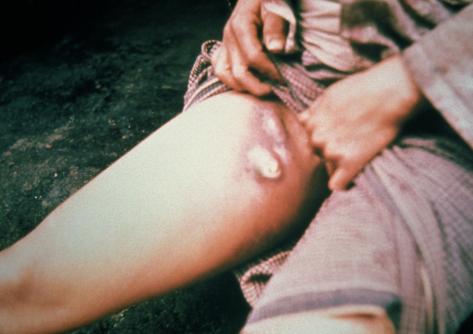
Bubonic Plague 'buboes'
Bubonic Plague ‘buboes’

Diseases like SARS, MERS and HIV/Aids could not easily have been predicted but generally the worst pandemics have been due to viruses from other host animals that have mutated to become deadly to humans. Bed bugs, which have not been around for nearly a century, may turn out to be useful vectors of such microbes.

Time to go and vacuum the bed!

Chris Duggleby

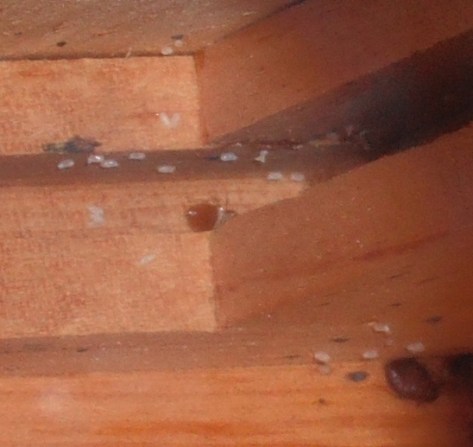
Two bed bugs with eggs living in the dresser
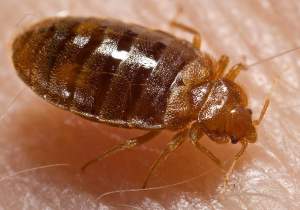
Bed bug Cimex lectularius

If you are interested in reading my other health focused articles try the following

Torture In The Shower – Face and Body Soap Allergies – Main Suspect: Pears Transparent Soap

Poison in your Washing Machine: Allergic Contact Dermatitis from Laundry Detergents, Softeners, Conditioners and Whiteners

Is Alzheimer’s caused by the Gum Disease Bacterium P. Gingivalis – A Dementia Prevention/Treatment Breakthrough?

Toxic Chemicals in Sex Toys – 18 Vibrators, Cock Rings, Love Balls Tested – Only 3 Get All Clear

My T-shirt Made Me Sick – Textile Allergies – Sinusitis From Your Underwear
ZIKA Virus Epidemic – Health Warning – Pregnant Women Should Postpone Travel To Affected Areas – Including Brazil

ZIKA Virus Epidemic  – Health Warning – Pregnant women should postpone travel to affected areas – Including Brazil : Foetus malformation risk. On 15th Jan 2016 the US Centres For Disease Control and Prevention (CDC) issued a Health Advisory regarding the mosquito borne ZIKA virus. The warning is for women travelling to the affected areas (see map below) who are pregnant or contemplating becoming pregnant.

Mosquito (Aedes aegypti) - host of the ZIKA Virus
Mosquito (Aedes aegypti) – host of the ZIKA Virus

This recently identified disease has rapidly spread across the world and is now present in the Americas, Asia, Africa and Oceana/Pacific Islands. It is transmitted by the same daytime-active mosquitoes that spread dengue and chikungunya fevers. Global warming and increased international travel are constantly opening up new parts of the word to these mosquitoes – and also to the human diseases they transmit.

While you read why not listen to my album ‘Electro Baroque‘ (all tracks are also available on iTunes using the link here)? Classical music using modern instruments:

or if you prefer to listen to my electro/techno album ‘Studio Valiumm‘ here are the videos (also on iTunes using the link here):

More info about my music is at the dedicated website www.TRANSFORMATES.com

The virus causing this disease was first identified as its causative agent in the Zika forest in Uganda. Until recently it remained mainly in Africa with occasional small and sporadic outbreaks in Asia. In May 2015 locally transmitted Zika infections were identified in the North East of Brazil and currently it has been identified in the countries shown in the map below.

Zika World Map 15 Jan 2016 from the Centre for Disease Control
Zika World Map 15 Jan 2016 from the US Centres for Disease Control and Prevention

The disease caused by the Zika virus is like a milder form of Dengue fever. In the regions where the Aedes mosquito is found the incidence of Zika infections have been increasing rapidly from the origin in Africa. This fast development of the epidemic is promoted by the lack of any resistance to this new virus in the populations of these areas. Only 1 in 4 of those infected actually show symptoms.

These symptoms typically include mild fever, rash, conjunctivitis (pink eye) and muscle pain. More serious manifestations have sporadically been found in patients with pre-existing diseases or other health conditions and have sometimes led to death. There has been an increase in the number of cases of the autoimmune condition, Guillain-Barré syndrome (GBS) in areas where the Zika virus has been epidemic (e.g. in Brazil and French Polynesia). The symptoms of this syndrome are muscular weakness, tingling in the arms and legs. Severe complications can occur if respiratory muscles become infected. These patients require intensive care.

Zika Virus Infection - Rash on Arm
Zika Virus Infection – Rash on Arm
Viral Conjunctivitis
Viral Conjunctivitis or ‘pink eye’

It has been estimated by the Health Authorities in Brazil that there have been between 500,000 and 1.5 million cases of the disease since it was first identified in the country in 2015. During this same period there has been a rapid increase in the number of cases of Microcephaly which is a malformation of a child’s head.

Normally an average of 163 cases of Microcephaly occur in a normal year in Brazil. However in the short time since the outbreak of the Zika epidemic this has increased to 3500 cases. In some cases of Microcephaly the authorities have also identified the presence of the Zika virus. Microcephaly is a neurodevelopmental disorder in which the head is significantly smaller than would be expected in a healthy individual.

Normal head on left - one with Microcephaly on right
Normal head on left – one with Microcephaly on right

At the moment the evidence is not sufficient to prove a causal linkage between Zika and foetal development problems and deaths. However the cooincidence is sufficient to have led to the CDC’s first ever travel advisory for pregnant women: “Until more is known and out of an abundance of caution, pregnant women should consider postponing travel to any area where Zika virus transmission is ongoing“. Full details can be found on the CDC link here.

At the same time as the CDC issued this advisory the first US case of a baby born with microcephaly with evidence of a Zika infection was reported in Hawaii. The mother had been living in Brazil in 2015 and the baby contracted the disease while in the womb. The CDC reported: “We do not yet understand the full spectrum of outcomes that might be associated with infection during pregnancy, nor the factors that might increase risk to the foetus. Additional studies are planned to learn more about the risks of Zika virus infection during pregnancy“.

Aedes mosquito distribution maps US

The CDC has good reason to be cautious. It was only May 2015 when the WHO reported the first local transmission of the Zika virus in the Western Hemisphere. Since then it has been rampant – infecting large populations in countries where the Aedes mosquitoes are endemic. The maps above show where these mosquitoes are currently found in the USA. Infectious diseases do not respect border control agencies and the spread of the epidemic into the USA is quite likely. There is a useful fact sheet about the mosquito here.

According to the CDC:  “No specific antiviral treatment is available for Zika virus disease” therefore it is important to focus on prevention through:

  • Avoiding mosquito bites.
  • Using air conditioning or window and door screens when indoors.
  • Wearing long sleeves and trousers, and use insect repellents when outdoors. Most repellents, including DEET, can be used on children older than two months. Pregnant and lactating women can use all Environmental Protection Agency (EPA)-registered insect repellents, including DEET, according to the product label. (info from CDC)

At the time of writing this article the World Health Organisation (WHO) had not joined the CDC in issuing a travel warning for pregnant women to Zika infected areas. They provided the following information on Jan 5th 2016: On 28 November 2015, the Ministry of Health of Brazil established a relationship between an increase in cases of microcephaly in newborns and Zika virus infections in the country’s northeast. According to a preliminary analysis of research carried out by Brazilian authorities, the greatest risk of microcephaly and malformations appears to be associated with infection during the first trimester of pregnancy. (Link here)

Their advice from 6th January includes he following precautions (Link here):

To eliminate and control the mosquito, it is recommended to: 
  • Avoid allowing standing water in outdoor containers (flower pots, bottles, and containers that collect water) so that they do not become mosquito breeding sites. 
  • Cover domestic water tanks so that mosquitoes cannot get in. 
  • Avoid accumulating garbage: Put it in closed plastic bags and keep it in closed containers. 
  • Unblock drains that could accumulate standing water. 
  • Use screens and mosquito nets in windows and doors to reduce contact between mosquitoes and people. 
To prevent mosquito bites, it is recommended that people who live in areas where there are cases of the disease, as well as travellers and, especially, pregnant women should: 
  • Cover exposed skin with long-sleeved shirts, trousers, and hats
  • Use repellents recommended by the health authorities (and apply them as indicated on the label)
  • Sleep under mosquito nets. 
People with symptoms of Zika, dengue, or chikungunya should visit a health center. (Info from Pan American Health Organisation/WHO)
Clearly this is a rapidly developing situation. In addition to the areas mentioned above the health authorities are also investigating other possible methods of transmitting the Zika virus for example through blood transfusions or sexual intercourse. According to the WHO the virus has been isolated in semen and person-to-person sexual transmission has been documented.
If you are considering travelling to an infected area check the latest advice from the CDC or WHO (links are here and here) or from your own regional travel health advisory organisation – especially if you are pregnant or considering becoming pregnant. I did a quick calculation based on the Brazilian statistics given above. If 1 million people were infected since May 2015 about half of these would be women (500,000) of which perhaps 2 % would have been pregnant = 10,000. During the same period 3,500 additional Microcephaly cases were identified indicating the risk of foetal abnormality from infection with Zika is frighteningly high (these statistics presumably under represent the number of miscarriages in the first trimester of pregnancy). No wonder the CDC is concerned.
Travel Safely.
Chris Duggleby
Eye with viral conjunctivitis (Pink Eye) - one of the symptoms of a Zika infection
Eye with viral conjunctivitis (Pink Eye) – one of the symptoms of a Zika infection

Chris Duggleby started his scientific career studying Bacteriology, Virology and Immunology at the Manchester University Medical School. From there he went on to spend over 35 in the chemicals and oil industries which included setting up a polymers research and development group in Geneva, Switzerland for a major international chemicals company. Following an MBA from Warwick University he went on to lead a number of international manufacturing and marketing operations in the Chemicals, Plastics and Oil industries. His work involved living and working in Europe, Asia, the USA, the Middle East, and Russia. More recently he was invited to take on a senior leadership position in the Audit Department of the BP International Oil Group. Here he used his global change and risk management experience to help the group reshape its management structures and processes following a major environmental disaster in the Gulf of Mexico. He has now retired to focus on writing about risk management and producing music in his studios near London, in the Alps and Cape Town. If you are interested in risk management check out his RiskTuition.com or BizChangers.com (management of change) sites. He has also recently launched the JointVentureRisk.com site.

If you found this article interesting please consider taking a look at some of my other recent reports on similar subjects.

Just click on the titles below:

…starting with some more serious stuff…

17th Jan 2016 Bubonic Plague Special – Lice – Hosts for The Black Death Bug

13th Jan 2016 Kill Head Lice In A Day With The Newly Developed Plasma Nitcomb From The German Fraunhofer Institute

8th Jan 2016 Cancer from Handbags, Shoes and Gloves – Allergic Reactions to Jewellery – German Institute Identifies Excessive Chromium 6 and Nickel Levels

13th December 2015 Health Risk – Potential Carcinogens Found in Advent Calendar Chocolates – German Investigation

26th July 2015 Poison in your Washing Machine: Allergic Contact Dermatitis from Laundry Detergents, Softeners, Conditioners and Whiteners

25th October 2015: Health Risks: Food allergy prevention – Latest research ‘feed infants early with allergenic food

17th October 2015: Health Risk: Vitamin and antioxidant supplements help cancer cells become malignant – latest research from Texas

31st May 2015: German Concern about Potentially Carcinogenic Aromatic Hydrocarbons in Cosmetics  

11th May 2014: Product Development Risk: New Air Conditioning Coolant Gas Produces Carbonyl Difluoride (Highly Toxic – Related to WW1 Gas Phosgene) in Vehicle Fires

16th April 2014: Ethical Pricing: Same Drug – For Leukaemia 21 Euro (Now Withdrawn) – For Multiple Sclerosis 888 Euro

6th April 2014: Product Quality Risk: Shoes Sold On-line By Zalando Recalled Due To Chromium 6 Contamination – Known Allergen And Carcinogen

29th December 2012: Spreading diarrhea and vomit through the washing machine– The Norovirus propagator in our kitchen

and here are some fun reports…

21st June 2015: Bio-undies: Guilt free Passion with ‘Easy Emma’ and ‘Loose Harry’and Getting Rid of Garden Snails with Rent-a-Duck

4th March 2015: Hamburg Reeperbahn (St. Pauli): Germans install walls that urinate on passers-by

19th April 2014: German Police Catch Hedgehogs Testing Home Made Crash Helmets in Saarbrücken

17th April 2014: Niche On-line Dating Services (Specialities: Herpes, Thrush and Genital Warts)

18th March 2014: Germany and Finland Joint Investigation: New Case of Sexual Cannibalism Including Self-mutilation (Castration) During Intercourse.

18th August 2012: How Bavarians and Austrians use their middle finger – Fingerhakeln: a men-only sport (did Arnold Schwarzenegger start training this way?).

You can also find some of my more humorous reports in the Alpine Press section of this site using the link here.

Now prepare yourself for an uplifting experience! 

Bubonic Plague Special – Lice – Hosts for The Black Death Bug

Bubonic Plague – Lice – Hosts for The Black Death Bug. One important question facing the World Health Authorities is ‘Where will the next global pandemic come from?’ Horrific bugs like Ebola, SARS and Pandemic strains of Flu live innocuously in other animals for long periods before mutating and then killing thousands or even millions of humans. Recent research into the Plague bacterium indicated it has accompanied human communities for 5000 years and has hidden between epidemics very close to home – this is where the human lice research gets interesting.

Special Anti-plague Face Mask worn by members of medical profession in the past (Doktor Schnabel or Dr Beak)

Regular visitors to ChrisDuggleby.com will remember my recent article about a German invention that uses a gas plasma in a hair brush to kill head lice without harming the poor human ‘victim’ (the link to that article is here). This little device is probably going to be a big success in the market place because it annihilates the little blood suckers in an environmentally friendly way. As lice are becoming immune to other medications such a non chemical solution to this irritating problem may be essential.

After you have read my description (below) of some other recent research I am sure you will agree that this high-tech grooming device could become an essential tool in our armoury against killer epidemics. There have been three recent pieces of research into the plague bacterium Yersinia pestis which turn some long held beliefs about this bug on their head.

Plague Bug - Yersinia pestis
Plague Bug – Yersinia pestis

The first piece of research showed that the plague bacterium has been accompanying human civilisation since the bronze age – at least 4500 years. Prior to this we knew from written records that plague had terrorised societies since 542 AD when it was estimated to have taken the lives of 40% of the population of Constantinople. This was the first recording of what is now known as bubonic plague in which buboes or large swellings of the lymph nodes occur.

Bubonic Plague 'buboes'
Bubonic Plague ‘buboes’

This was the beginning of what is referred to as the first plague pandemic which continued to spread in waves across the world for the next 200 years. It is estimated to have killed 100 million people and reduced the population of Europe by 50% by the year 700. The second pandemic occurred between the 14th and 19th centuries and is also estimated to have reduced the world’s population by approximately 100 million. This second pandemic reduced the population of China by a half, the population of Europe by one third of the population of Africa by one eighth.

During this period the plague swept across the populated world and was given the name Black Death. This was because the skin of affected parts of the body turned black when it died (referred to as necrosis) as in the pictures below:

Black necrosis (tissue death) from acral gangrene due to plague
Black tissues caused by acral necrosis from bubonic plague
Black tissues caused by acral necrosis from bubonic plague (the patient is recovering)

The third pandemic of bubonic plague took place in the 19th and 20th centuries. It started in China and spread to all inhabited continents of the world. It killed 12 million people in India and China. Major ports were severely affected – during an epidemic in Hong Kong death rates of 90% were identified. It reached the US in 1900 leading to the San Francisco plague from 1900-1904. It was not eradicated in the US until 1959.

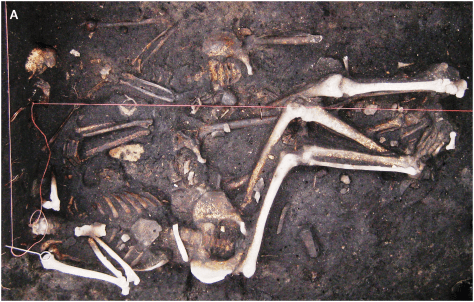
Although these three pandemics have been well documented the research referred to above confirmed that the plague has been with us much longer. This work, by Eske Willerslev from the  University of Copenhagen (published in Cell) took DNA from the teeth of Bronze age skeletons (approximately 4500 year old) and identified that it also contained DNA from the the plague bacteria Yersinia pestis. In particular these scientists identified two specific areas of Yersinia pestis DNA that confirmed it was the virulent strain that also caused the bubonic plague of later pandemics.

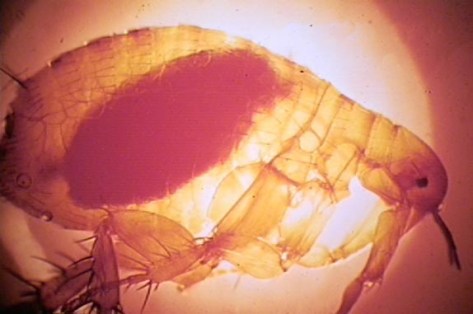
Xenopsylla chepsis oriental rat flea

One of ‘markers’ in the DNA indicates the bacteria was able to survive in the gut of blood sucking fleas, important transmitters of the disease between mammals. The flea is also a ‘victim’ of the plague bacteria – it invades the flea’s gut and forms a lump there which prevents the flea from digesting its food. The flea gets desperate for nutrition and aggressively pierces the skin of potential hosts looking for food. Due to its sick condition it vomits blood into the wounds and thereby passes on the killer bacteria into a new host – transmitting the plague further. The flea then dies.

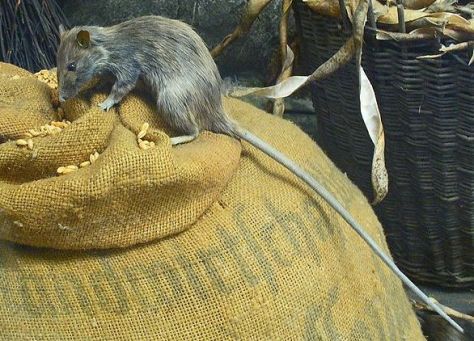
During the major epidemics the fleas were transmitted over large distances by a natural host, the rat. Wherever people would go – their rats would go with them – and wherever the rats went – they took their fleas. Rats and other rodents are hosts for Yersinia Pestis and the flea infects itself with the bacteria when it sucks rat blood. As it becomes sick the flea will also turn to sucking blood from humans as it attempts in vain to get nourishment.

Roof rat or Rattus rattus looking for some tasty treats

The second important piece of Yersinia Pestis DNA identified by the Copenhagen researchers was the piece that allows it to move through different human tissues. This is important because it means the plague can be transmitted rapidly in its pneumonic form – via people’s lungs like influenza or the common cold. This is the highly contagious form of the disease that killed hundreds of millions of people. Once inside the human host this second piece of DNA allows the bug to move through the body leading to the buboes – identified in bubonic plague (Black Death – see the pictures above).

These findings mean that the highly virulent and deadly form of the plague bacteria which killed hundreds of millions of people in the three major pandemic periods has been with us for at least 4500 years. The researchers suggested that during antiquity plague may have been one of the reasons for major movements of populations to new regions of the World (although they sadly took the disease with them spreading plague into previously virgin territory).

A very old disease - An amulet from 700 BC claimed to ward off 'plague'
A very old disease – An amulet from 700 BC claimed to ward off ‘plague’

Until a few days ago it had generally been assumed that whenever new epidemics appeared in the west the plague bacterium was reintroduced from the far east. It probably came via the Silk Road from China. If this is correct the DNA of the bacteria leading to each new epidemic in the west would differ slightly because they would be derived from a different strain in the Far East (of which there are several). A second piece of recent research provides more clarity about this.

On 13th Jan 2016 Holger Scholz, a molecular biologist and infectious disease researcher at the Bundeswehr (Army) Institute of Microbiology in Munich, Germany published research findings which addressed these assumptions. His team analysed plague bacterial DNA found in the teeth of some very old skeletons in Germany. Some of the skeletons were from a mass grave at St. Leonhard’s Catholic church in Manching-Pichl, southern Germany – radiocarbon dating confirmed they were from the 14th Century. Other remains were from three soldiers buried in Brandenburg, north-eastern Germany during the Thirty Years’ War (1618–1648).

Brandenburg. Germany - Remains of 3 soldiers from Thirty Years’ War (1618-1648)
Brandenburg. Germany – Remains of 3 soldiers from Thirty Years’ War (1618-1648)

The conclusion of Dr Scholz and his team was that the plague DNA found in these remains was from the same strain of Yersinia pestis. This was despite the deaths occurring in the 14th and 17th centuries and being physically separated by 500 km. Therefore rather then being reintroduced to Europe from the Far East the researchers proposed that the plague bacterium may have been lying dormant in the west in some other host animal between the major epidemics. If plague was regularly reintroduced from Asia the DNA of different ‘Asian’ genetic strains would be expected.

The role of the rat and its fleas was mentioned above – however the plague bacterium is also known to live in other hosts. In fact there has always been a question about how plague epidemics occurred in parts of Europe in which rats were not prevalent. In the middle ages, before the link with rats and their fleas was understood people were convinced that plague was transmitted through human to human contact.

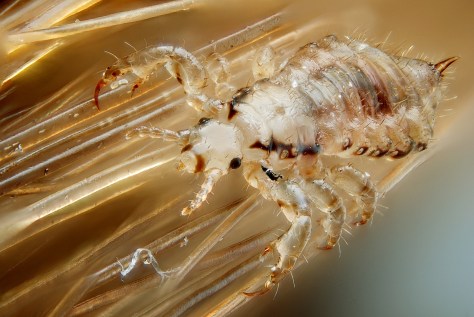
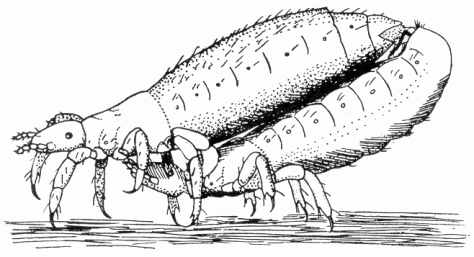
Male human head louse going for a bloodsucking stroll
Link with Bubonic Plague? The human louse

This brings me to the third piece of research. This was communicated to the Centre For Disease Control by Michel Drancourt and his co-workers at the Université de la Méditerranée, Marseilles (link is here). This team looked at the human louse as a possible host for the strain of Yersinia pestis that caused the Black Death epidemics. If the human louse had a role it might explain why there had been examples of human to human plague transmission in which rats were not involved. It might also clarify why plague had struck in parts of world were rats were uncommon like areas in Scandinavia and Russia.

They infected rabbits with the plague bacterium. All the infected animals died within a day. Only 5 minutes after infecting the rabbits with Yersinia pestis 150 ‘plague free’ body lice were allowed to feed on the rabbits for one hour. The bacteria were confirmed in blood samples taken from the lice. After three days one third of the lice infected with plague were still alive. Infected lice were then allowed to feed on uninfected rabbits for one hour per day and those rabbits also died within one day. Uninfected lice fed on these rabbits and also became infected.

Bubonic plague map 1347-1351 includes areas were rats were not prevalent

The results from the team in Marseilles shows that the plague bacteria that caused Black Death can be transmitted from one mammalian host to another via body lice. In addition some of the lice remain alive and infectious three days after leaving the host. This means even when rats and their fleas are absent plague might be transmitted from human to human through ‘bodily contact’ – by the victims sharing blood sucking lice which pass on the infection. It also shows that infection could occur without bodily contact as long as the lice can feed on their new host within 3 days. This could occur, for example, after a person has died and another person indirectly acquires their lice (from clothes, combs or using their bed – common hereditary items in the middle ages).

It is assumed, based on historical documentation, that in the times when Black Death was prevalent most of the population would have been contaminated with body lice. The authors pointed out that today almost 85% of ‘homeless persons’ have body lice, each having on average 57 lice. They believe that only 10 infected lice would be sufficient to transmit plague to another person. They do not dispute the important role of rats and their flees in historical plague epidemics but they believe their evidence supports the idea that human lice were also important as hosts. Together with the research above it might be suggested that lice acted as a host reservoir for Yersinia pestis in the periods between epidemics.

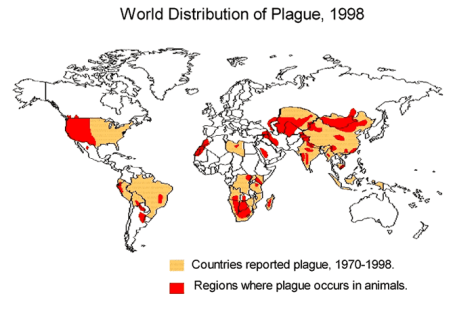
World distribution of plague in people and animals - 1998
World distribution of plague in people and animals – 1998

The reason I have prepared this article is to highlight that our knowledge with regard to where the next major pandemic could come from is far from complete. Some threats like Ebola, SARS, MERS, and Influenza receive a lot of attention. There are however other threats where we think the risk to modern society is relatively low. We do not see many rats in our streets and we feel confident in the ability of our antibiotics to deal with bacterial born diseases like the plague.

However rats are not the only hosts for Yersinia pestis other rodents have been involved as well as cats, monkeys and even mountain lions. The research with body lice highlights the risk from human blood sucking insects. Our weaponry against such potential hosts is gradually being eroded as bacteria develop resistance to multiple antibiotics – in part thanks to use of antibiotics in factory farming (and giving antibiotics to people with viral infections – for which they are useless). Even body lice are becoming resistant to the medications we now commonly use.

Some aspects of the next pandemic are beyond our control but our own inappropriate use of medications could make the situation much worse. The only thing we can predict with certainty is that there will be another pandemic – one day.

Stop itching!

Chris Duggleby

We simply do not know the source of the next pandemic - but of one thing we can be sure - there will be one.
We simply do not know the source of the next pandemic – but of one thing we can be sure – there will be one.

If you are interested in reading my other health focused articles try the following

Torture In The Shower – Face and Body Soap Allergies – Main Suspect: Pears Transparent Soap

Poison in your Washing Machine: Allergic Contact Dermatitis from Laundry Detergents, Softeners, Conditioners and Whiteners

Is Alzheimer’s caused by the Gum Disease Bacterium P. Gingivalis – A Dementia Prevention/Treatment Breakthrough?

Toxic Chemicals in Sex Toys – 18 Vibrators, Cock Rings, Love Balls Tested – Only 3 Get All Clear

My T-shirt Made Me Sick – Textile Allergies – Sinusitis From Your Underwear

Exploring Coastal Caves on the Western Cape of South Africa

Exploring Coastal Caves on the Western Cape of South Africa – In today’s article I would like to share with you some pictures taken during one of my favourite pastimes – crawling over the rocks and caves around the coastline of the Table Mountain National Park near Cape Town.

View from Karbunkel Mountain Caverns of Table Mountain National Park and Llandudno

It has been a week since my return to the tip of Africa and so the timing is right to share with you more views of the fantastic scenery we enjoy here. During the last few days I have been putting the finishing touches to a piece of music that was inspired by the many caves within walking distance of my studio in Llandudno.

While you read the following article why not listen to my e-baroque compositions – just click on the box below:

or if techno music is more your cup of tea here are my techno/ambient compositions:

I hope you find the article below interesting…please visit chrisduggleby.com again.

Some of these caves are not just interesting on the inside – their location on the coast provides them with some amazing views – like the one above. This photo was taken from one of the caverns at the base of the Karbunkel mountain. This mountain separates the town of Hout Bay from Sandy Bay beach and Llandudno village. These views inspired a piece of music that, not surprisingly, I have called ‘Coastal Caves‘. I know some visitors to ChrisDuggleby.com like to listen to music while they read my articles – so if this is you – just click on the arrow in the picture below:

The video also features many of the pictures you will see in this article so please re-visit it any time you feel like a musical trip around the some fantastic caverns.

I am probably the world’s laziest explorer. I normally only explore places that are within walking distance of my music studios in Africa, the German Alps and Surrey in England. OK you might consider this from from another point of view – I have situated my studios in some incredibly beautiful locations enabling me to quickly get a dose of inspiration and then get back to the job of making music (and of course writing).

To illustrate this minimalistic approach to exploration let’s take as an example my studio here on the outskirts of Cape Town. The picture below is taken from the balcony and if you look very closely along the bottom of the mountain on the left you might just see some dark caves close to the middle of the photo:

Sunset Rocks (Llandudno) balcony view of Karbunkel Mountain Caverns

Just to prove I do actually physically trek over the coast by foot to take photos in the caves here is a picture of ‘the author‘ walking along the path at the foot of the Karbunkel mountain. At this point in the article I must issue a health and safety warning: About 6 years ago I was stabbed and robbed while taking sunset photos on the beach near to where the photo below was taken. If you do decide to take photos in remote locations in Africa please be careful about your security. I was lucky – I only needed 5 stitches to fix the knife wounds – and the stolen camera and cell phone were replaceable.

'The Author' in front of Karbunkel Mountain on the way to explore some coastal caves
‘The Author’ in front of Karbunkel Mountain on the way to explore some coastal caves

To illustrate precisely where these caves can be found let me return to my balcony and use a rather powerful lens to magnify the view. The following two photos are of the openings to the caves. To get to these openings I followed the rocky coast line from Sandy Bay beach along the base of the mountain (this can take about 30 minutes – hobbling over granite rocks). Should you decide to visit the caves by this ‘path’ you will need to avoid stormy or very windy weather conditions – this route is not far from the water’s edge and if the rocks are wet they can be very slippery. Alternatively there is another steeper pathway higher up the mountain.

Closer view of the entrance to the Karbunkel Caverns (dark spot in middle of the costline) taken from my Llandudno balcony
Closer view of the entrance to the Karbunkel Caverns (dark spot in middle of the coastline) taken from my Llandudno balcony


Precise location of the entrances to three of the Karbunkel Mountain Caverns

One of the additional treats for anyone prepared to walk a little further round the coast are the local ship wrecks – the busy shipping routes around the Cape can be notoriously challenging in rough weather. If you are interested in the local ship wrecks why not visit my photo article on this subject by clicking on the title below:

Ship wrecks (and other old wrecks) on the rocks near Sandy Bay, Cape Town

As if this is not enough we have even more caves if you walk in the opposite direction. By taking the coastal path from Sunset Rocks to Llandudno Beach there are some interesting rock formations which provide rather unique views of the Llandudno rocks and their associated beach. Here are some of my photos from this unusual vantage point:

Cave View of Llandudno Beach
1. Cave View of Llandudno Beach
Cave View of Llandudno
2. Cave View of Llandudno Beach


Cave view of Llanduno Rocks

The last of these photos features a view of the Llandudno rocks. If you move on from these caves along the coastal path from Sunset Rocks, across Llandudno beach to this outcrop of rocks you will find even more caves on the other side of the rocks.

Many of the local caves featured above have actually been inhabited in the past. In fact I remember one year being rather surprised to find a family residing in one of the larger caves at the base of the Karbunkel mountain.

To further wet your appetite for exploring caves I have selected below a few interesting photos of caverns from other parts of the world which I believe are well suited to the ambience of the music I composed for the video featured above.

Domica Cave in Slovakia
Lechuguilla Cave Pearlsian Gulf (photo D. Bunnell)
Lechuguilla Chandelier 'Ballroom' Caves (photo D. Bunnell)
Lechuguilla Chandelier ‘Ballroom’ Caves (photo D. Bunnell)

By the way…if you are interested on coming to stay in Llandudno one of my friends who manages a lot of the holiday accommodation here has just set up a website illustrating some of the great local properties. To take a look at his website just click on the picture below (which also a has a snazzy scenic gallery with pics provided by ‘you know who’):

Link to Llandudno Accommodation website

If you are interested on some of my other scenic ‘photo blogs’ – why not take a look at the following articles?:

Schloß Neubeuern: A fairy tale castle in the Alps near the Bavarian/Austrian border

Achensee or Lake Achen: The largest lake in the Austrian Tyrol (and one of its best kept secrets)

Up the Black Mountain (Schwarzenberg, Eingang zum Voralpenland)

Bayrischzell: Pit-stop on the way from the Deutsche Alpen Straße to the peak of the Wendelstein Mountain

Sunset from the top of Table Mountain following an exciting canine adventure by Cable Car

Looking for wild (and almost ferocious) animals near Chapmans Peak

Woking Walks – Part 2: Canal Boat Chick Gets Frisky, Chris’s Organ Gets a Good Plucking

Walking Round Woking – Part 1: River Wey, Newark Priory Ruins & 13th Century Royal Palace

Prehistoric Britain (or more precisely: Prehistoric Woking!)

Searching for Cannibals in Surrey

The beach where the Martian invaders landed

Newark Priory, near Woking inspires TRANSFORMATES’ ‘Rock the Priory’ (with Cannons)

Happy Travels! (and look out for unusual wildlife)

Chris Duggleby

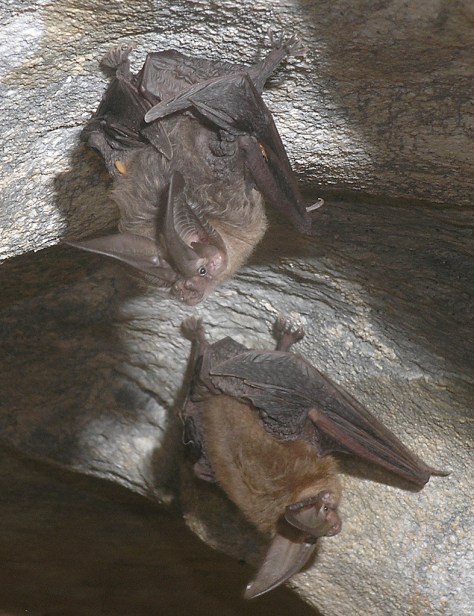
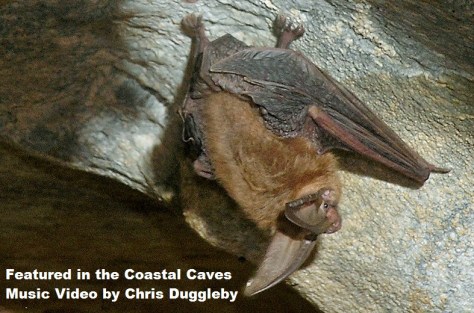
Townsends Bat in Californian Cave (photo D. Bunnell)

Chris Duggleby started his scientific career studying Bacteriology, Virology and Immunology at the Manchester University Medical School. From there he went on to spend over 35 in the chemicals and oil industries which included setting up a polymers research and development group in Geneva, Switzerland for a major international chemicals company. Following an MBA from Warwick University he went on to lead a number of international manufacturing and marketing operations in the Chemicals, Plastics and Oil industries. His work involved living and working in Europe, Asia, the USA, the Middle East, and Russia. More recently he was invited to take on a senior leadership position in the Audit Department of the BP International Oil Group. Here he used his global change and risk management experience to help the group reshape its management structures and processes following a major environmental disaster in the Gulf of Mexico. He has now retired to focus on writing about risk management and producing music in his studios near London, in the Alps and Cape Town. If you are interested in risk management check out his RiskTuition.com or BizChangers.com (management of change) sites.

If you would like to take a look at some of my other recent reports just click on the titles below:

…starting with some more serious stuff…

13th Jan 2016 Kill Head Lice In A Day With The Newly Developed Plasma Nitcomb From The German Fraunhofer Institute

8th Jan 2016 Cancer from Handbags, Shoes and Gloves – Allergic Reactions to Jewellery – German Institute Identifies Excessive Chromium 6 and Nickel Levels

13th December 2015 Health Risk – Potential Carcinogens Found in Advent Calendar Chocolates – German Investigation

26th July 2015 Poison in your Washing Machine: Allergic Contact Dermatitis from Laundry Detergents, Softeners, Conditioners and Whiteners

25th October 2015: Health Risks: Food allergy prevention – Latest research ‘feed infants early with allergenic food

17th October 2015: Health Risk: Vitamin and antioxidant supplements help cancer cells become malignant – latest research from Texas

31st May 2015: German Concern about Potentially Carcinogenic Aromatic Hydrocarbons in Cosmetics  

6th April 2014: Product Quality Risk: Shoes Sold On-line By Zalando Recalled Due To Chromium 6 Contamination – Known Allergen And Carcinogen

29th December 2012: Spreading diarrhea and vomit through the washing machine– The Norovirus propagator in our kitchen

and here are some fun reports…

21st June 2015: Bio-undies: Guilt free Passion with ‘Easy Emma’ and ‘Loose Harry’and Getting Rid of Garden Snails with Rent-a-Duck

4th March 2015: Hamburg Reeperbahn (St. Pauli): Germans install walls that urinate on passers-by

19th April 2014: German Police Catch Hedgehogs Testing Home Made Crash Helmets in Saarbrücken

17th April 2014: Niche On-line Dating Services (Specialities: Herpes, Thrush and Genital Warts)

18th March 2014: Germany and Finland Joint Investigation: New Case of Sexual Cannibalism Including Self-mutilation (Castration) During Intercourse.

18th August 2012: How Bavarians and Austrians use their middle finger – Fingerhakeln: a men-only sport (did Arnold Schwarzenegger start training this way?).

You can also find some of my more humorous reports in the Alpine Press section of this site using the link here.

Kill Head Lice In A Day With The Newly Developed Plasma Nitcomb From The German Fraunhofer Institute

Kill Head Lice In A Day With The Newly Developed Plasma Nitcomb From The German Fraunhofer Institute – (Don’t forget to share this important breaking news with those you love) The new must-have household appliance for everyone with children or grandchildren of school age (or any older students who tend to sleep around a bit!). This comb is harmless to the children, does not damage their hair but thoroughly zaps those little bloodsuckers and their eggs. A pet version is on the way!

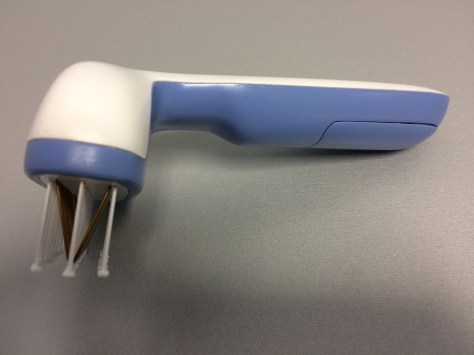
The German Fraunhofer Research Institute's Plasma Nitcomb
The German Fraunhofer Research Institute’s Plasma Nitcomb

I am sure I do not need to remind any parent about the horror of discovering your little darling has been infested with head lice. Those initial feelings of guilt – ‘but my children are clean!‘ – and then the accusations ‘have you been playing with that dirty little Tommy at number 9?‘. The embarrassment of that first trip to the chemist to buy the most powerful head-lice treatment they have… and a nit comb – hoping they provide you with a plain brown bag to take them home in. And then realisation that one session is not enough and that you need to scrub your little darlings’ heads again after a week to kill off any nit eggs that survived the first delousing session.

Finally you have to go through the pain of discovering, only a few weeks later, that your baby’s unwanted bloodsucking guests have returned again. Yes – you were too shy to mention ‘your’ problem to the parents of you children’s friends to enlist them into a regional ‘cleansing’ team. It is no good simply delousing your own darlings if their pals are still infested. So the sorry tale of our battle against the louse goes on. What’s worse is that lice have no respect for position or money – send your children to the best private schools and you can certainly be assured of a much better class of head-lice.

Nits do not respect wealth or position

Now, with the latest technological development from Germany, there is hope for the world’s long suffering head lice victims (and their parents). The highly respected Fraunhofer Institute has just released details of its Plasma Comb for Head Lice (Plasmakamm). In the past sufferers have had to resort to chemical based products and the classical nit-comb. The chemicals are applied as shampoos, lotions or gels which are usually massaged into the scalp after the hair has been washed.

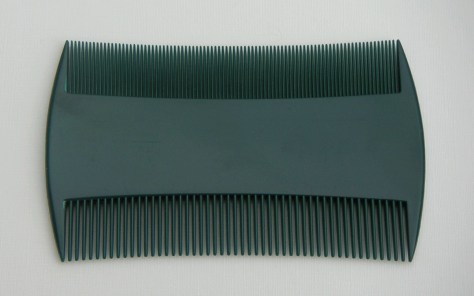
Following this the hair is thoroughly combed with the traditional nit-comb. The problem with this approach is that although the lice may be killed their eggs usually survive this first treatment. Therefore the treatment has to be repeated after about a week to annihilate any bloodsucking survivors.

A Traditional Nit Comb used before the development of the German Nit-Zapper (Plasma Comb)

This lengthy treatment process is tiresome for the children as well as being uncomfortable and often painful. Many parents would prefer not to use the chemical based products – some of the active ingredients can be harmful to small children. As more and more people use these chemicals head lice are developing resistance and the treatments are becoming ineffective. Only resistant insects survive and their numbers increase because widespread treatment with the chemicals is destroying their non-resistant competitors. By continued use of these chemicals we encourage the growth of the resistant strains by providing them with nice clean ‘competitor free’ heads to suck blood from.

By killing the non resistant lice we are also making it much easier for the resistant ones to find resistant partners. And you know what happens then – they have lots of super resistant offspring.

We all need a cuddle sometimes - head lice making love
We all need a cuddle sometimes – head lice making love

Time for the storm troupers with their high-tech weaponry – the Plasma based Nit-zapper from the Fraunhoffer Institute in Göttingen (Anwendungszentrums für Plasma und Photonik des Fraunhofer-Instituts für Schicht- und Oberflächentechnik IST known locally as the Nit STASI) This specially adapted comb (pictured at the top of this article) creates what is referred to as a cold plasma which painlessly, but very effectively, kills the lice as well as their eggs. Its application does not require the use of any chemicals or biocides.

What is a plasma? Well here it is simply air – the comb uses the potential difference between two electrodes (like that between the two terminals of a household battery) to turn a gas, in this case air, into a plasma. The voltage difference used by the electrodes in the comb is harmless to the patient but is sufficient to generate the plasma which destroys the lice. These electrodes are included in the teeth of the comb and the plasma they create is localised in the area of the hair being combed. For those with a basic understanding of school physics the comb is creating and then separating electrons and positive ions in the air and it is this excess of localised charged particles that the lice can not survive.

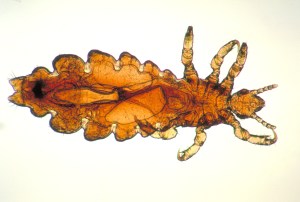
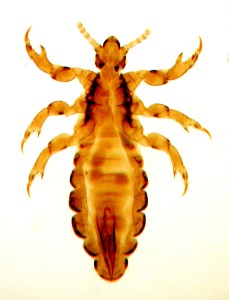
Female Head Louse Pediculus humanus var capitis

The pulse of electrical potential difference needed to create the plasma is only generated by the comb for a very short period time. There is just sufficient energy to charge the sub-atomic particles so they can destroy the lice. Professor Dr. Viöl who is in charge of the Application Centre for Plasma and Photonik points out in the Fraunhofer Institute report that: ‘The whole operation is at room temperature and although lice are killed there is no damage or injury to the patient’s head‘.

How Nit Babies are Born

The comb contains batteries to create the high voltage potential difference. After just a single comb through of the hair about half of the lice are killed. This means that they can be eradicated from the head within a single day. According to Professor Dr. Viöl the comb, following comprehensive safety and effectiveness tests, has already been introduced into regional children’s clinics and can be used just like a normal comb or brush.

Male Head Louse
Male Head Louse


It is believed that this approach will be particularly beneficial to patients known to suffer from asthma or allergies. They will be spared the need to be treated using the aggressive active ingredients found in existing medications. Clearly the avoidance of using chemical products will also benefit the environment. The use of biocides against lice is also rendered redundant.

In fact Dr Viöl has pointed out that with some modifications to the spacing between the teeth in the Plasma Comb this treatment should also be applicable to use with pets which can also suffer from unpleasant insect infestations in their fur.

The research team at the Fraunhofer Institute has already protected this novel technology with a patent and is now in the process of developing the plasma comb to be marketed to potential customers. More information, including a German language press release, can be obtained from the Fraunhofer Institute using the link here.

Happy scratching!

Chris Duggleby

If you are interested in reading my other health focused articles try the following

Torture In The Shower – Face and Body Soap Allergies – Main Suspect: Pears Transparent Soap

Poison in your Washing Machine: Allergic Contact Dermatitis from Laundry Detergents, Softeners, Conditioners and Whiteners

Is Alzheimer’s caused by the Gum Disease Bacterium P. Gingivalis – A Dementia Prevention/Treatment Breakthrough?

Toxic Chemicals in Sex Toys – 18 Vibrators, Cock Rings, Love Balls Tested – Only 3 Get All Clear

My T-shirt Made Me Sick – Textile Allergies – Sinusitis From Your Underwear

Cancer from Handbags, Shoes and Gloves – Allergic Reactions to Jewellery – German Institute Identifies Excessive Chromium 6 and Nickel Levels

Cancer from Handbags, Shoes and Gloves – Allergic Reactions to JewelleryGerman Institute Identifies Excessive Chromium 6 and Nickel Levels. Christmas and New Year celebrations are gradually becoming pleasant memories. For many of us the only physical reminders are the presents we received. If among your presents are items made from leather or some nice jewellery you might be interested in a report from the German Federal Office of Consumer Protection and Food Safety (the BVL or Bundesamt für Verbraucherschutz und Lebensmittelsicherheit).

While you read the following article why not listen to my e-baroque compositions – just click on the box below:

or if techno music is more your cup of tea here are my techno/ambient compositions:


I hope you find the article below interesting…please visit chrisduggleby.com again.

Model with hand bag from reputable supplier
Young Lady carrying out a ‘hands-on’ investigation into a hand bag from a reputable supplier

The German Federal Office of Consumer Protection and Food Safety (BVL) addresses the management of risks and coordinates monitoring for the Federal States (Bundesländer) of tobacco products, cosmetics and other goods which either come directly into contact with people or with food intended for human consumption. Under the heading of goods they include leather articles like handbags, shoes and gloves as well as jewellery and items used in body piercings.

160108 Bundesamt für Verbraucherschutz und Lebensmittelsicherheit (BVL) Entrance Berlin
Entrance to the Bundesamt für Verbraucherschutz und Lebensmittelsicherheit (BVL) in Berlin

Since 2014 the BVL has been investigating the levels of the carcinogen Chromium 6 in leather products and the amounts of allergen Nickel being taken up by the human body from jewellery and body piercing products. These are risk areas considered by the BVL to be of particular concern to human heath due to the linkage of chromium 6 with cancer and the potential for nickel to elicit serious contact allergies. I explained more about allergic contact dermatitis and its various causes in my recent article on this subject which described how I became an unwilling guinea pig to an allergy caused by laundry additives. Click on the title below if you would like to read this article and see some rather unpleasant photos (of my affected body parts):

Poison in your Washing Machine: Allergic Contact Dermatitis from Laundry Detergents, Softeners, Conditioners and Whiteners

Allergenic Nickel in Jewellery and Clothing Accessories

The BVL published its latest research results in a German report on the 23rd November 2015. The report presented the findings of its investigation into whether products were exceeding the permitted maximum levels of Nickel which can be absorbed into the human body. It highlighted that jewellery articles on sale in Germany continue to exceed the permitted levels of this serious allergen. Nickel causes contact allergies when the nickel ion enters the human body – the potential to enter the body increases when the item containing the nickel is frequently or constantly being worn like a ring, an ear ring or other piercing item.

Baby with Multiple Ear Piercings

Highlights from the BVL study of nickel uptake from jewellery/accessories:

  • 556 Samples were tested
  • 17.4 percent of the earrings and other piercings tested exceeded the permitted maximum limits (Nickel uptake of 0,35 µg/cm²/week)
  • 4.9 percent of jewellery, fasteners, accessories exceeded the permitted limits (0,88 µg/cm²/week)
  • There had been no improvement in results since an earlier study in 2008

The results indicated that it is not simply the cheapest fashion items that lead to a serious risk of an allergic reaction. An item made from 18-carat white gold for example can contain 20% nickel as an alloy. Such items of jewellery or wrist watch casings can cause allergic skin contact reactions in about 1 in 8 people. The problem with nickel is made worse if the body’s immune system is sensitized to the metal through pronounced exposure. Once sensitized even a low level exposure can lead to a severe allergic reaction. Some samples tested by the BVG had levels of nickel which were 10 times the permitted maximum level.

Example of a white gold wedding ring and a diamond engagement ring

Cancer Causing and Allergenic Chromium 6 in Leather

The investigation by the DVG also uncovered continuing high levels of another nasty contaminant – chromium 6 (or hexavalent chromium) – in leather products. They summarised their results as follows:

  • 386 Samples were tested
  • 16 Percent had chromium 6 concentrations exceeding the maximum permitted limit (3 mg/kg)
  • Main culprits were leather gloves (33% exceeded) , bags (25%), work clothes (23%) and footwear (13%)

  • 12 percent of samples of products produced in Germany exceeded the permitted level. For products produced in China this increased to 33%.

In addition to causing allergic reactions chromium has also been identified as a carcinogen. The form of chromium investigated by the BVG is the highly dangerous 6 or hexavalent form of the chemical. Some forms of chromium used in processing leather are relatively harmless but even these can be converted to the 6 form if appropriate precautions are not taken during the tanning process. In addition to causing severe skin contact allergies chromium 6 in high concentrations is a very toxic chemical and known genotoxic carcinogen. In leather chromium 6 compounds are sometimes used to produce a red or pink colouration.

How confident are you that the shoes you are buying do not contain excessive levels of chromium VI?
How confident are you that the shoes you are buying do not contain excessive levels of chromium 6?

These days we purchase many of our fashion items on-line and sometimes the origins of such goods are unclear. In addition, imported goods may not follow the strict product content requirements demanded by our local legislation. One way we can try to use our consumer power to reduce these risks is to require suppliers to confirm in writing that their goods fully conform with local laws and regulations concerning levels of chromium 6 (for leather) and nickel (jewellery, clasps, piercings, buttons, wrist watch cases). Good luck!

Chris Duggleby

To see the original report from the BVL (written in German) please use the link below:

Lederprodukte enthalten weiterhin zu viel Chrom VI

A lady creating using clothing which ehnances the visibility of her leather shoesl wearing leather shoes from reputable supplier
A lady creatively using clothing to enhance the visibility of her leather shoes (from a reputable supplier)

Chris Duggleby started his scientific career studying Bacteriology, Virology and Immunology at the Manchester University Medical School. From there he went on to spend over 35 in the chemicals and oil industries which included setting up a polymers research and development group in Geneva, Switzerland for a major international chemicals company. Following an MBA from Warwick University he went on to lead a number of international manufacturing and marketing operations in the Chemicals, Plastics and Oil industries. His work involved living and working in Europe, Asia, the USA, the Middle East, and Russia. More recently he was invited to take on a senior leadership position in the Audit Department of the BP International Oil Group. Here he used his global change and risk management experience to help the group reshape its management structures and processes following a major environmental disaster in the Gulf of Mexico. He has now retired to focus on writing about risk management and producing music in his studios near London, in the Alps and Cape Town. If you are interested in risk management check out his RiskTuition.com or BizChangers.com (management of change) sites.

If you found this article interesting please consider taking a look at some of my other recent reports on similar subjects.

Just click on the titles below:

…starting with some more serious stuff…

13th December 2015 Health Risk – Potential Carcinogens Found in Advent Calendar Chocolates – German Investigation

26th July 2015 Poison in your Washing Machine: Allergic Contact Dermatitis from Laundry Detergents, Softeners, Conditioners and Whiteners

25th October 2015: Health Risks: Food allergy prevention – Latest research ‘feed infants early with allergenic food

17th October 2015: Health Risk: Vitamin and antioxidant supplements help cancer cells become malignant – latest research from Texas

31st May 2015: German Concern about Potentially Carcinogenic Aromatic Hydrocarbons in Cosmetics  

11th May 2014: Product Development Risk: New Air Conditioning Coolant Gas Produces Carbonyl Difluoride (Highly Toxic – Related to WW1 Gas Phosgene) in Vehicle Fires

16th April 2014: Ethical Pricing: Same Drug – For Leukaemia 21 Euro (Now Withdrawn) – For Multiple Sclerosis 888 Euro

6th April 2014: Product Quality Risk: Shoes Sold On-line By Zalando Recalled Due To Chromium 6 Contamination – Known Allergen And Carcinogen

29th December 2012: Spreading diarrhea and vomit through the washing machine– The Norovirus propagator in our kitchen

and here are some fun reports…

21st June 2015: Bio-undies: Guilt free Passion with ‘Easy Emma’ and ‘Loose Harry’and Getting Rid of Garden Snails with Rent-a-Duck

4th March 2015: Hamburg Reeperbahn (St. Pauli): Germans install walls that urinate on passers-by

19th April 2014: German Police Catch Hedgehogs Testing Home Made Crash Helmets in Saarbrücken

17th April 2014: Niche On-line Dating Services (Specialities: Herpes, Thrush and Genital Warts)

18th March 2014: Germany and Finland Joint Investigation: New Case of Sexual Cannibalism Including Self-mutilation (Castration) During Intercourse.

18th August 2012: How Bavarians and Austrians use their middle finger – Fingerhakeln: a men-only sport (did Arnold Schwarzenegger start training this way?).

You can also find some of my more humorous reports in the Alpine Press section of this site using the link here.

How can I stop Facebook sending me adverts I do not want or need?

How can I stop Facebook sending me adverts I do not want or need? We have all been there before – the person who gets adverts for cat food but doesn’t have a cat or the teenage boy who is bombarded by ads for incontinence panties. How does it happen and more to the point how can you stop it?

While you read the following article why not listen to my e-baroque compositions – just click on the box below:

or if techno music is more your cup of tea here are my techno/ambient compositions:


I hope you find the article below interesting…please visit chrisduggleby.com again.

At this time of year many of us will have been having an on-line feeding frenzy – involving visiting sales sites for a whole range of diverse, and perhaps weird, Christmas presents. And then we have spent hours on social media sites like Facebook clicking thousands of likes against those ‘exciting’ photos our virtual friends have been posting to try and make up for forgetting to send them a personal greeting.

Jules Léotard modelling his sports outfit - please click 'like' to receive exciting hosiery adverts
Jules Léotard modelling his sports outfit – please click ‘like’ to receive exciting hosiery adverts

Well now it is payback time. The virtual big-brother, otherwise known as the Facebook algorithm, has been gathering lots of information about your ‘likes’. It has also been getting tonnes of juicy information from those on-line purchasing trips. It doesn’t matter that you didn’t intend to buy those frilly pink silk panties for yourself – the algorithm now has you marked-up as someone who has a potential interest in frilly pink silk panties and perhaps also a connoisseur of any of the other ‘exotic things on offer by the site you ‘innocently’ visited.

Did you click ‘like’ on that photo of a friend’s child playing in the nativity play with a plastic inflatable donkey? Well don’t be surprised if you start getting adverts for donkey food, or special offers for manure, or perhaps even animal themed inflatable ‘toys’. In fact the algorithm probably has enabled advertisers to combine your interest categories branding you as someone who likes dressing inflatable toys with frilly pink silk panties.

I learned the hard way that you have to be very careful before you click ‘like’. In the days when I was putting together my album of fun songs I experimented with different song titles and thumbnail photos to try and understand what influenced the viewer stats on YouTube. Interestingly two of my biggest YouTube hits at that time were my recordings of ‘Pretty Boy Sally‘ (about a gay cross dressing peasant boy who marries a eunuch) and Lycra Larry (about a scantily dressed jogger who accidentally exposes himself).

As a marketing exercise the success of these titles told me a lot about how to get attention on youTube. However I did not realise that by clicking ‘like’ against my own videos on Facebook I would be categorised for potential advertisers as a particularly interesting client (especially those producing Lycra based ‘dressing-up’ products).

If you also discover that you are getting the wrong kind of attention from advertisers on Facebook what can you do about it? Fortunately it it possible to veto any ‘categories’ into which you believe you have been incorrectly classified. The process is as follows:

  • At the top right hand corner of your Facebook page you should see a little arrow.
  • Click on the arrow and a menu appears.
  • Click on ‘Settings’.
  • A new menu opens and towards the bottom click where it says ‘Adverts’.
  • At the bottom of the next page click edit against ‘Adverts based on my Preferences’.
  • Then visit your Advert Preferences.
  • You will see a list of category groups with numbers against them.
  • Click on these groups and you will see the precise categories you have been classified under.
  • By placing your mouse over a category an ‘X’ appears at the end of the line which you can click on to remove the category.

By following this process you will not reduce the number of adverts you receive – you can simply eliminate some of the more useless (or perhaps embarrassing) categories. In fact you can even help advertisers to identify where your interests lie by adding some categories of your own. To do this go to the box at the top of the page and click against ‘Browse’. Then select categories that are more to your preference.

By the way – if the Facebook algorithm happens to read this educational article please note that based on the ‘Choir girl’ video below I should be categorised as a ‘devoutly religious person’ (at my age I need a few extra brownie points upstairs)

Happy clicking!

Chris Duggleby.

Be careful how your Facebook likes are interpreted

Now prepare for an uplifting experience! 


Young Boy Steals From Vatican – Pope Lenient

These days we are constantly hearing about cyber crime and how the perpetrators are getting more sophisticated. Many of these criminals are also very young and some of the crimes reflect a growing belief among the young that intellectual property like publications and music should be freely available for all. Internet based file sharing sites are a typical example of this phenomenon.

While you read the following article why not listen to my e-baroque compositions – just click on the box below:

or if techno music is more your cup of tea here are my techno/ambient compositions:


I hope you find the article below interesting…please visit chrisduggleby.com again.

In this week’s article I would like to share with you a story of intellectual property theft that goes right to the heart of the Catholic church. In fact even by producing this article and sharing with you the details of this intellectual property I myself could face the threat of excommunication. The property was stolen from the Vatican. This crime was not committed by some modern day computer whiz-kid – in fact it was perpetrated 245 years ago (1770) by a fourteen year old.

One of the first international intellectual property thieves

This young boy was not some starving waif stealing so that he could buy his next crust of stale bread. He was a rather well-to-do Wolfgang Amadeus Mozart.

Every Holy Week the Sistine Chapel in Rome performed a wonderful piece of choral music by the composer Gregorio Allegri (1582-1652). It was forbidden by the Catholic church to transcribe this music and the piece could only be performed in the services specified by the church. Writing it down or performing the piece outside of these services was punishable by excommunication.

Gregorio Allegri 1582 - 1652: Composer of 'Miserere'
Gregorio Allegri 1582 – 1652: Composer of ‘Miserere’

During the holy week of 1770 Wolfgang Amadeus Mozart visited the Sistine Chapel in Rome with his father and heard this uplifting piece of music: the ‘Miserere‘. Later he wrote down the music from memory, visiting the chapel one more time in order to make any necessary corrections. After about three months he was summoned back to Rome by Pope Clement XIV. Fortunately for the young composer rather than excommunicating him the Pope praised him for his talent and awarded him the order of the Golden Spur (a kind of papal knighthood).

Wolfgang Amadeus Mozart wearing the Order of the Golden Spur awarded to him by Pope Clement XIV

To celebrate this early example of ‘free’ music sharing for the masses I have prepared a new video to accompany my own version of Miserere. Please accept it as a token of my good wishes during this festive period.

You will notice that my own arrangement of this remarkable (four centuries old!) piece of music features some digital choir boys. However I am very much aware that we live in an inclusive society and it would be remiss of me to only feature the boys in this celebratory article. In fact I am also aware that not all of my readers are avid fans of classical music. Therefore I have also prepared another more modern piece of music (I think Techno is the term given by the younger folk to this thrusting stuff). Rather than boys this somewhat newer composition gives greater prominence to the choir girls and also makes use of some slightly more mature gospel singers (to maintain the ‘religious’ thread).

Here is the video for my latest techno composition ‘Choir Girls: Turn Me On‘)

I hope you find at least one of these pieces of music to your taste (if not please take a strong drink and try listening again!). Enjoy the festive period and thanks for keeping in touch with me via ChrisDuggleby.com. If, in the aftermath of the celebrations, you do find yourself feeling a bit down why not pop onto the internet and listen to some of that free music – and perhaps remember to pay homage to the audacity of that 14 year old boy who believed good music should be enjoyed by the masses.

Chris Duggleby.

Wolfgang Amadeus Mozart 1756 - 1791 from Chris Dugglebys festive article on Vatican Crime
Wolfgang Amadeus Mozart 1756 – 1791 from Chris Dugglebys festive article on Vatican Crime